
Key Takeaways:
- Preventive measures can significantly reduce electrical hazards in homes.
- Understanding the importance of regular maintenance and inspections.
- Modern technology offers innovative solutions for electrical safety.
- Data-backed evidence highlights the critical need for electrical safety.
The Necessity of Electrical Safety
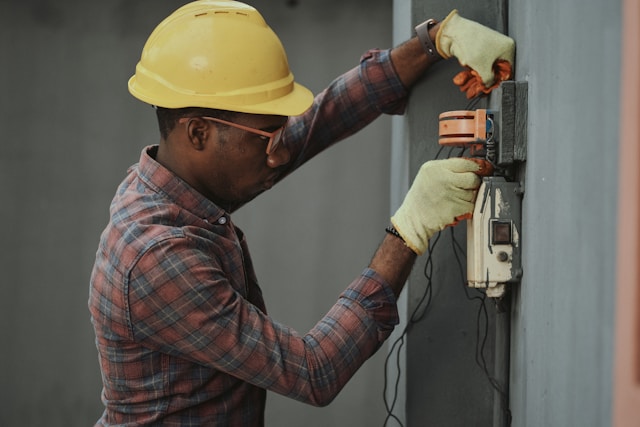
Electrical safety in homes is paramount. Maintaining a secure electrical system is essential with modern living relying heavily on numerous electronic devices. A report by the Consumer Product Safety Commission (CPSC) reveals that faulty wiring and aging electrical installations are among the leading causes of house fires in the United States. For residents needing the skills to undertake a thorough inspection, it is wise to consult licensed electricians Fort Smith, AR to ensure a professional and comprehensive check-up. This approach not only safeguards the home but also provides peace of mind to the inhabitants.
Preventive Measures for Homeowners
Homeowners can take a few precautions to guarantee that their homes stay safely electrified. One important precaution is regularly inspecting electrical systems. Getting a certified electrician to do routine inspections helps find possible problems before they get out of hand. Electrical shocks can also be avoided by installing ground fault circuit interrupters (GFCIs) in damp locations like bathrooms and kitchens. Other precautions include keeping electrical appliances away from water sources and avoiding overloading outlets. At-home electrical accident risk can be significantly decreased with these ostensibly easy actions.
The Role of Modern Technology in Electrical Safety
Advancements in technology have introduced innovative products that enhance electrical safety. For example, smart circuit breakers can now detect faults early and notify homeowners through smartphone applications. This allows for proactive measures before a minor issue becomes a major hazard. Furthermore, resources from the NFPA emphasize the importance of using smoke detectors and smart home systems to minimize risks. Smoke detectors have become more advanced, with features like connectivity to home networks and the ability to alert homeowners even when they are away. Integrating these systems in modern homes is a testament to how technology can significantly enhance electrical safety.
Common Electrical Hazards and How to Avoid Them
Common electrical hazards include overloaded circuits, improper electrical cords use, and outdated appliances. Overloaded circuits occur when too many electrical devices are connected to a single outlet or power strip, leading to overheating and potential fires. Simple practices, such as avoiding multiple high-wattage devices on the same circuit, can mitigate risks. Additionally, ensuring that all cords and outlets are in good condition and damage-free is crucial in preventing hazards. Electrical cords should not be run under rugs or carpets as this can lead to overheating and damage. A safer house can be achieved by routinely checking and replacing faulty cords and by operating appliances by manufacturer instructions.
Regular Maintenance and Inspections
Routine maintenance is vital in ensuring electrical safety. This includes checking for exposed wires, ensuring all outlets and switches are functioning correctly, and verifying that the electrical panel is up to date. Homeowners should also be aware of any recalls related to electrical products they use. Conducting periodic electrical safety audits of the home helps identify requiring immediate attention. Employing professionals for these audits can provide a thorough assessment, ensuring nothing is overlooked. With newer houses integrating more complex electrical systems, regular maintenance becomes even more imperative to prevent malfunctioning elements from posing safety threats.
The Impact of Education on Electrical Safety
Education plays a significant role in promoting electrical safety. Informing family members, especially children, about the dangers of electricity and the importance of safety practices can prevent accidents. Simple lessons about not inserting objects into outlets and the dangers of water near electrical devices can go a long way in keeping everyone safe. Schools and community programs often offer workshops and resources that can enhance public awareness. Being well-informed about the potential hazards and the proper use of electrical appliances empowers individuals to take necessary precautions. Having readily available educational materials on electrical safety in schools and public libraries can significantly affect community safety standards.
Conclusion: Investing in Safety
In conclusion, investing time and resources in electrical safety can save lives and property. Regular inspections, the adoption of modern safety technologies, and adequate education are crucial steps in creating a secure home environment. By staying proactive and informed, homeowners can significantly reduce the risks associated with electrical systems. Given the importance of electrical safety measures, it is beneficial to prioritize them as a critical aspect of home maintenance. Engaging professional services for more complex tasks can also provide an extra layer of protection. Ultimately, a safe home is a happy one, and taking these steps ensures that you and your loved ones live in a secure environment where the risks are minimized.