Introduction to Common Plumbing Issues
Home plumbing issues are a common headache for homeowners. Leaky faucets, clogged drains, and running toilets can disrupt daily life and lead to bigger problems if left unaddressed. Proper awareness and understanding of these issues can empower homeowners to handle minor problems effectively. In this guide, we’ll provide some basic tips on how you can manage these issues yourself. Whether you’re dealing with minor problems or considering more significant installations like water softeners in Hedgesville, WV, a little DIY know-how can go a long way.
You can avoid needless stress and costs by being aware of these problems and being aware of a few easy remedies. For instance, if you are in the Hedgesville area and thinking about installing a system to deal with hard water, you might want to explore options like water softeners Hedgesville WV. With the right tools and a little guidance, many common plumbing issues can be easily managed, providing peace of mind and maintaining the integrity of your home’s plumbing system.
Essential Tools for DIY Plumbing
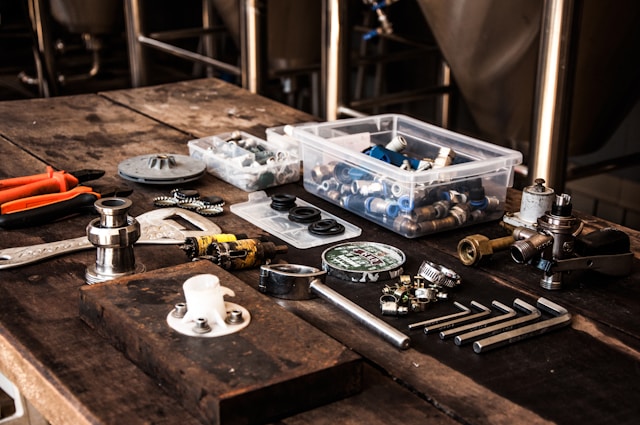
Before you begin any DIY plumbing project, it’s crucial to have the right tools. A basic plumbing toolkit should include a pipe wrench, adjustable wrench, plunger, plumber’s tape, and a set of screwdrivers. Additionally, having a bucket and some towels on hand can help manage any unexpected water spills. Investing in these tools can make DIY plumbing jobs much easier and more efficient. Being familiar with your toolkit can also help you identify when a job is beyond your skill level and might require professional help.
The importance of having a well-stocked toolkit cannot be overstated. For instance, a pipe wrench can help you loosen stubborn pipes, while a plumber’s tape can prevent leaks at pipe joints. Regularly checking and maintaining these tools can ensure that they are always in good working condition and ready for any plumbing emergency that might arise. Furthermore, understanding when to use each tool can make your DIY efforts more effective, potentially saving you from costly professional repairs.
Fixing a Leaky Faucet
In addition to being uncomfortable, leaky faucets can waste a lot of water and increase your water bill. Before attempting to fix a leaky faucet, switch off the water supply to avoid more water damage. After that, remove the faucet handle with a wrench and dismantle the interior components. Examine each component for wear and tear, paying special attention to the valve seats, washers, and O-rings. Reassemble the faucet after replacing any broken components. If done correctly, this should stop the leak.
Tackling a leaky faucet might seem daunting at first, but it’s a manageable task with a bit of patience. If you’re new to this type of repair, it’s helpful to watch a video tutorial or refer to a detailed guide. For instance, the Family Handyman offers a comprehensive guide that can walk you through each step of the process. Take your time and pay close attention to the directions to make sure everything is done properly.
How to Unclog a Drain
Clogged drains are another common nuisance that can usually be handled with a DIY approach. The first step is to use a plunger to try and dislodge the clog. Make sure there is enough water in the sink or tub to cover the plunger’s cup, as this creates a strong suction force. If plunging doesn’t work, a drain snake can be an effective tool to reach deeper into the pipe. To remove the blockage, carefully slide the snake into the drain, twist it until you feel resistance, and then draw it back out.
Using a vinegar and baking soda mixture is another technique. Pour one cup of vinegar and one cup of baking soda down the drain first. After letting it sit for at least fifteen minutes, flush it with hot water. This combination can help break down organic material causing the clog.
Boiling Water Method
Boiling water down the drain can also aid in clearing the obstruction, particularly if soap scum or grease is the cause. A kettle full of hot water can do wonders in such cases. Repeat this process a few times, allowing the water to work through the clog.
Using Enzyme-Based Cleaners
For regular maintenance, consider using enzyme-based drain cleaners that are environmentally friendly and safe for your pipes. These cleaners prevent blockages from occurring in the first place by breaking down organic debris in your pipes using natural enzymes.
Addressing a Running Toilet
Over time, a running toilet can waste hundreds of gallons of water, making it a significant source of water waste. Lifting the toilet tank lid and checking the flapper valve is the first step in repairing a running toilet. If it’s not sealing properly against the valve seat, it may need to be replaced. Flapper valves can wear out over time and might not form a proper seal, causing the toilet to run continuously.
Next, check the float and the fill valve. The float should be adjusted so that the water level stops about an inch below the top of the overflow tube. The toilet will run if the float is placed too high, causing the water level to rise above the overflow tube. You can adjust the float by bending its arm or by rotating the screw on top of the fill valve. In some cases, the fill tube may need readjustment or replacement if it’s not filling the tank properly. With these adjustments, you can significantly reduce water waste and ensure your toilet operates efficiently.
When to Call a Professional
While many plumbing issues can be handled with a DIY approach, there are times when it’s best to call a professional. For instance, if you experience major leaks, sewer backups, or water heater issues, reaching out to an expert is advisable. Professional plumbers have the tools, experience, and knowledge to handle complex plumbing problems that might be beyond the scope of DIY efforts.
Attempting to fix severe plumbing issues yourself can sometimes lead to more significant problems, resulting in higher repair costs. Knowing your limits and recognizing when a professional’s expertise is needed can save you from costly mistakes and ensure your plumbing system remains in good working order.