
Key Takeaways
- Teledentistry is expanding access to dental care, especially in underserved areas.
- Advanced imaging technologies are improving diagnostic precision.
- Artificial intelligence is transforming diagnostics and treatment planning.
- 3D printing is enabling customized preventive care solutions.
- Laser dentistry offers minimally invasive preventive treatments.
- Natural and biocompatible materials are enhancing holistic dental health.
- Wearable technologies and smart oral health devices are promoting proactive dental care.
- Sustainability practices are becoming integral to modern dentistry.
Preventive dental care is entering an era marked by advanced technologies, personalized methodologies, and a greater focus on accessibility and holistic health. Dental professionals and patients alike must remain informed about current trends in order to maintain optimal oral health. One significant evolution is the integration of virtual consultation platforms, making quality care more accessible than ever. Patients in suburban or rural communities searching for options like dental implants Bethpage, NY can now connect with specialists without geographic limitations, demonstrating how innovation is shaping the future of dentistry.
Additionally, modern approaches prioritize patient comfort, early diagnostics, and eco-conscious practices. Embracing these advancements not only protects smiles but also supports broader health and sustainability goals. As the dental industry continues to evolve, both high-tech devices and bio-friendly options are shaping how individuals experience preventive care.
Today’s dental solutions offer convenience, effectiveness, and adaptability to unique patient needs, underscoring dentistry’s ongoing commitment to progressive, inclusive, and sustainable care models.
Teledentistry: Expanding Access to Dental Care
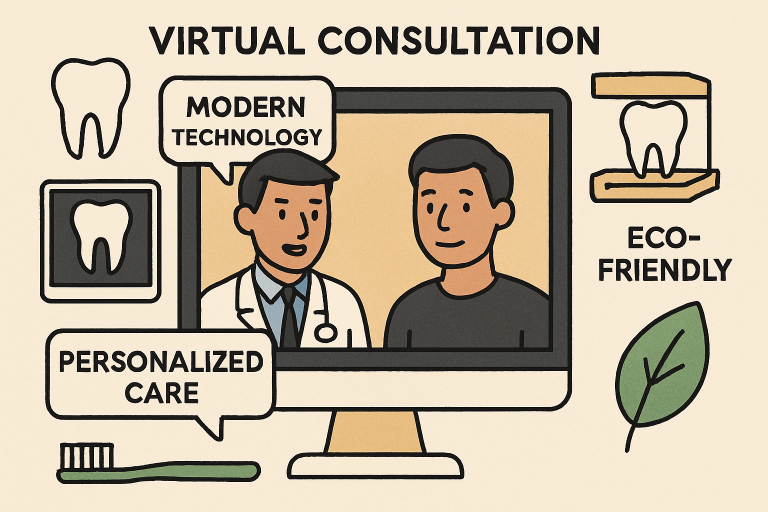
The adoption of teledentistry has marked a turning point in preventive dental care. Through secure video calls and digital communications, patients can receive expert consultations, ongoing monitoring, and timely advice directly from their homes. This approach is particularly beneficial for those with mobility challenges or those residing in dental care deserts where specialists are scarce. The COVID-19 pandemic accelerated the implementation of these services, and many practices now offer virtual options as a permanent part of their offerings to increase equity and continuity of care. The American Dental Association highlights the effectiveness of teledentistry in bridging care gaps and improving early detection rates through remote assessments.
Advanced Imaging Technologies: Enhancing Diagnostic Precision
Advanced imaging tools are transforming the accuracy and speed of dental diagnostics. Cone beam computed tomography (CBCT) produces detailed three-dimensional images, allowing dentists to identify hidden tooth fractures, early-stage cavities, and oral tumors. Digital X-rays minimize radiation exposure while providing instant, high-resolution results, leading to prompt, data-driven decision-making for preventive strategies. These technologies help to identify potential dental issues long before symptoms arise, decreasing the likelihood of invasive procedures and preserving healthy tooth structure.
Artificial Intelligence: Transforming Diagnostics and Treatment Planning
Artificial intelligence is poised to become a standard element in dental practice management, diagnostics, and treatment planning. AI systems review vast amounts of dental data in seconds, identifying subtle risk factors that might be overlooked by the human eye. For example, AI can analyze patient X-rays over time to detect patterns suggestive of early gum disease, tooth decay, or bone density loss. These insights allow providers to offer highly individualized recommendations and preventive plans. Major dental software companies now integrate AI into their platforms to improve care consistency and predict better patient outcomes.
3D Printing: Customizing Preventive Care
3D printing is redefining the creation of dental appliances and restorations. Custom-fitted mouth guards for athletes, aligners for orthodontic patients, and even precise temporary crowns are now produced efficiently in-house using digital scans. This level of customization not only ensures a more comfortable fit but also optimizes the function of preventive devices. Dental practices can offer quick turnarounds and reusable digital molds, eliminating the delays associated with shipping impressions to outside labs and significantly reducing waste.
Laser Dentistry: Minimally Invasive Prevention
Laser technology is steadily replacing traditional dental drills for many preventive and therapeutic procedures. With pinpoint precision, lasers treat gum inflammation, disinfect periodontal pockets, detect cavities, and manage soft tissue with less discomfort compared to conventional instruments. Lasers also promote faster healing and reduce the need for anesthesia, making them appealing for patients of all ages. By minimizing the invasiveness of preventive dental work, laser dentistry helps reduce patient anxiety and improve follow-through with necessary care.
Natural and Biocompatible Materials: Focusing on Holistic Dental Health
Growing interest in holistic health has led to an increased demand for dental materials that are free from toxins, hypoallergenic, and compatible with the body’s natural chemistry. Modern restorative options now include ceramics, glass ionomer, and resin composites designed to minimize inflammation and allergic reactions. Patients seeking holistic dental solutions can now benefit from minimally processed materials that integrate smoothly with existing tooth structure, which is contributing to safer, longer-lasting restorations and improved patient satisfaction.
Wearable Technologies and Smart Oral Health Devices
The rise of wearable oral health devices empowers both patients and clinicians to monitor habits and conditions in real time. Smart toothbrushes track brushing frequency and technique, providing personalized feedback through mobile apps. Bite sensors worn overnight can detect and alert users to excessive clenching or grinding, helping to prevent long-term damage to enamel and jaw joints. As digital health monitoring becomes more popular in daily life, dental care is following suit by integrating user-friendly, data-driven devices that foster accountability and early intervention.
Sustainability in Dentistry
Environmental consciousness is growing in dental practice management. Clinics are reducing plastic waste with reusable instrument trays and switching to biodegradable or recyclable materials for single-use items. Solar panels, energy-efficient lighting, and digital record-keeping further reduce the environmental footprint of modern care. By making sustainability a core value, dental offices are meeting patient expectations for eco-friendly health services and helping to set industry-wide standards for environmental stewardship.
Final Thoughts
The convergence of technology, patient-centered solutions, and eco-conscious practices is redefining preventive dental care. Individuals and practitioners who embrace these modern trends are poised to enjoy greater oral health, enhanced comfort, and a positive impact on community well-being.