

Key Takeaways
- Test the soil to identify nutrient needs.
- Match fertilizer to grass type and conditions.
- Time applications for peak growth periods.
- Apply evenly using proper techniques.
- Aerate to improve root nutrient uptake.
- Mow and water correctly to support lawn health.
- Monitor and adjust fertilization as needed.
Understanding Your Lawn’s Nutrient Needs
Achieving a lush, green lawn starts with understanding what your grass needs to thrive. The best way to tailor your approach is by conducting a soil test. This straightforward step identifies your soil’s specific nutrient shortages and pH levels, giving you the clarity you need to make smarter fertilization choices. With the right information, you can provide the nutrients for robust growth and vibrant color. For residents looking to elevate their outdoor aesthetics, having a well-fertilized lawn can make a dramatic difference in curb appeal and the enjoyment of your yard. Explore how front yard landscaping McLean, VA services can further enhance the health and appearance of your grassy spaces.
Soil tests also reveal whether your lawn may be suffering from over-acidic or overly alkaline conditions. Lawn professionals and home gardeners alike rely on these test results to avoid wasting time and money on fertilizers that will not address specific deficiencies. Addressing issues early ensures a strong root foundation and sets the stage for long-term lawn health.
Lawn fertilization is highly personalized and depends on factors like grass species, soil type, and climate. Grasses absorb specific nutrients such as nitrogen, phosphorus, and potassium at different rates. Providing a balance tuned to the grass’s needs is far more effective than a one-size-fits-all approach. When these elements are present in the right proportion, your lawn will be more resistant to disease, drought, and weed invasion.
Choosing the Right Fertilizer
Selecting an appropriate fertilizer is fundamental to supporting your lawn’s health. There are several types, each designed for different lawn conditions and goals.
- Slow-Release Fertilizers: These gradually deliver nutrients over several weeks, preventing nutrient spikes and reducing the risk of burning your grass. They are ideal for sustained, even growth and require less frequent applications, making them user-friendly for busy homeowners.
- Quick-Release Fertilizers: As the name suggests, these supply nutrients that are immediately available for plant uptake. While they provide fast results, such as rapid greening, quick-release options must be handled with care to avoid over-application, which can harm both the grass and the environment.
- Organic Fertilizers: Created from natural materials such as compost, manure, or bone meal, these not only supply nutrients but also enhance soil structure and increase microbial activity. Organic options are increasingly popular due to their environmental benefits and long-term positive effects on soil health.
- Synthetic Fertilizers: Manufactured from chemical compounds, these are designed for quick nutrient delivery. While efficient at feeding your lawn, they do not improve soil health and must be applied according to strict guidelines to prevent runoff and pollution.
Matching the right fertilizer to your lawn’s unique profile can make the difference between average and spectacular results.
Optimal Timing for Fertilization
Effective lawn fertilization depends as much on timing as on product choice. Cool-season grasses such as fescue, bluegrass, and ryegrass benefit most when fertilized in early spring and fall, during their peak growth periods. On the other hand, warm-season varieties like Bermuda, zoysia, and St. Augustine should be fed primarily from late spring through early summer for best results.
Fertilizing during growth surges maximizes nutrient uptake, translating to richer color, denser turf, and greater resistance to common lawn stresses. Always monitor the weather and avoid fertilizing before heavy rain, as it can lead to nutrient runoff rather than absorption.
Proper Application Techniques
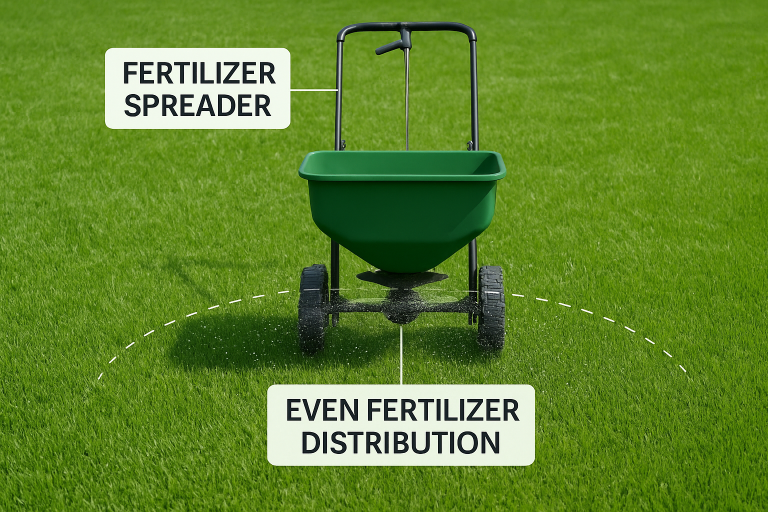
Using the right technique distributes nutrients evenly and prevents lawn damage. Calibrated spreaders are essential for uniform application, whether you are spreading granular or liquid fertilizers. Broadcast spreaders quickly cover large, open areas, while drop spreaders excel at precision in small or irregularly shaped lawns. For liquid fertilizers, attach a hose-end sprayer to ensure smooth, consistent coverage.
Always wear safety gear and follow the manufacturer’s application rates. Over-fertilizing not only wastes resources but can also burn your lawn and contribute to water pollution. Even careful feeding ensures your yard flourishes and minimizes environmental risks.
Incorporating Lawn Aeration
Lawn aeration is a powerful technique that complements fertilization. By perforating the turf with small holes, aeration breaks up compacted soil, allowing air, water, and nutrients to reach the grass roots more efficiently. Aerate high-traffic areas and heavy clay soils at least once a year, ideally in the growing season. Aerating before you fertilize creates channels that help nutrients penetrate deeply and take effect more quickly. The result is a more robust and resilient root system.
Integrating Mowing Practices
Proper mowing is integral to effective fertilization. Keeping your grass at the recommended height, typically 2.5 to 3.5 inches for most cool-season varieties, encourages deeper roots and natural weed suppression. Letting grass grow a bit taller shades the soil and keeps it cooler, improving moisture retention and reducing stress. Mulching grass clippings back onto the lawn after mowing returns valuable nutrients to the soil, decreasing the need for supplemental feeding.
Watering Wisely
Watering immediately after fertilization activates nutrients and helps them move into the root zone, where they are most effective. Adjust your watering based on recent rainfall and your specific grass type’s needs. Water deeply but infrequently to foster strong root systems. Avoid heavy watering immediately following application, as it may wash fertilizer off the surface rather than incorporating it into the soil.
Monitoring and Adjusting Fertilization Practices
The healthiest lawns result from careful observation and adaptation. Monitor your grass for signs of nutrient deficiency or excess. Leaf color can indicate whether your fertilizer is working effectively: rich green indicates adequate nutrition, while pale or yellow spots may indicate a lack of key nutrients. If the grass grows too fast, appears burnt, or develops excessive thatch, cut back on frequency or switch to a different fertilizer type. Consistent reviews and tweaks ensure your routine stays effective season after season.
Final Thoughts
Investing in sound fertilization practices elevates your outdoor space and contributes to your home’s overall value. By staying attentive to your lawn’s evolving needs, applying nutrients thoughtfully, and maintaining good cultural practices, you create an environment that’s not only beautiful but also environmentally resilient.