
Key Takeaways:
- Lighting can transform small spaces, making them feel more extensive and more inviting.
- Layering light sources improves functionality and atmosphere.
- Utilizing mirrors and reflective surfaces can maximize light distribution.
- Adjustable and dimmable lighting options add flexibility.
- Choosing the right color temperature can enhance mood and aesthetics.
Table of Contents:
- Introduction
- Layering Light Sources
- Mirror Magic: Reflective Surfaces
- Adjustable and Dimmable Lighting
- Choosing the Right Color Temperature
- Conclusion
Introduction
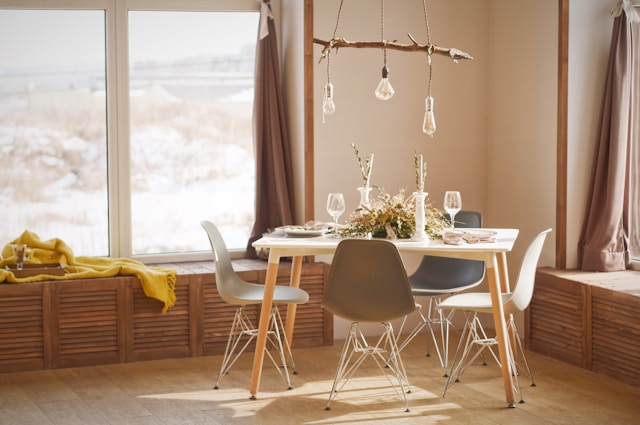
Lighting is a pivotal element in interior design, especially in small spaces. Adequate lighting can significantly alter the perception of a room, making it appear larger and more inviting. You transform cramped quarters into stylish and functional living spaces by strategically incorporating various lighting techniques. In this guide, we’ll explore a range of bright ideas for maximizing lighting in small areas, highlighting fundamental principles that make a significant impact without overwhelming the space.
Layering Light Sources
A fundamental principle in optimizing lighting for small spaces is layering light sources. This approach combines ambient, task, and accent lighting to create depth and prevent the space from feeling flat. Start with ambient lighting, which serves as the room’s primary lighting. Options like ceiling fixtures or pendant lights can provide well-distributed illumination. In kits, Incorporate task lighting, such as desk lamps or under-cabinet lights, to enhance the atmosphere and task-specific areas.
Additionally, accent lighting can highlight architectural features or artwork, adding character to the room. Use wall sconces or strategically placed floor lamps to create a warm glow in specific corners. This layered approach increases the functionality of small spaces adorned with lights like Barnegat Lights and enhances the overall ambiance, making the room feel cozy yet spacious.
Mirror Magic: Reflective Surfaces
Maximizing light distribution in small spaces is crucial, and mirrors or reflective surfaces offer a superb solution. Mirrors can effectively double the perceived light in a room by reflecting existing light sources. Position mirrors opposite windows or light fixtures to amplify the natural and artificial lighting, creating a sense of depth and openness.
Besides mirrors, consider using metallic or glossy finishes on furniture and decor. These surfaces reflect light and color, adding vibrancy and dimension to the space while maintaining an airy vibe. By leveraging these reflective strategies, you can enhance any small room’s luminosity and perceived size, turning it into a visually expansive and engaging living area.
Adjustable and Dimmable Lighting
Adjustable and dimmable lighting features offer unparalleled flexibility in small spaces. These options allow you to tailor the lighting intensity and direction based on the room’s function and time of day. Adjustable track lighting or swing-arm wall lights provide versatility, enabling you to redirect light to specific areas.
On the other hand, Dimmable lights offer control over brightness levels, allowing you to create the perfect ambiance for different occasions. Whether you want a bright light for work or a softer glow for relaxation, dimmable options provide the adaptability necessary for multi-functional small spaces.
Choosing the Right Color Temperature
The color temperature of your lighting can significantly influence the ambiance of a small space. Color temperature is measured in Kelvin (K) and ranges from warm yellow to cool blue tones. Warmer temperatures (around 2700K) create cozy and intimate settings, ideal for living rooms and bedrooms. Cooler temperatures (around 5000K) simulate daylight, enhancing focus and concentration, making them suited for kitchens and workspaces.
Balancing warm and cool tones for small spaces with limited natural light can offset the lack of natural light and create a balanced, inviting atmosphere. By selecting appropriate color temperatures, you can enhance a room’s mood and functionality, aligning with the space’s intended purpose while maintaining a comfortable and engaging environment.
Conclusion
Lighting is a transformative tool in shaping small spaces’ aesthetic and practical experience. By layering light sources, utilizing mirrors, incorporating adjustable lighting, and selecting the right color temperature, you can elevate a compact room to feel more expansive and functional. While small spaces present unique challenges, strategic lighting solutions can reveal opportunities for creating inviting and stylish environments.