Key Takeaways
- Innovative horse jump designs can add visual appeal and functionality to your riding arena.
- Understanding materials, colors, and styles can lead to better decision-making when selecting horse jumps.
- Properly designed jumps can improve training outcomes and horse performance.
Introduction
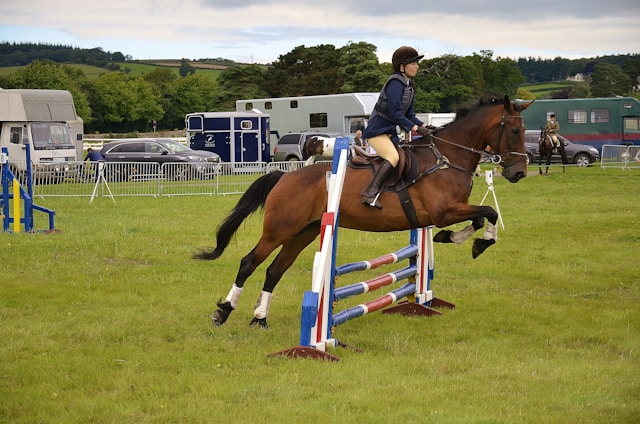
Horse jump design has evolved significantly over the years, blending aesthetics with functionality. Whether you’re a professional rider or a hobbyist, the right jumps can make a substantial difference in your riding arena’s appeal and your horse’s training success. Introducing a striped color horse jump is a perfect example of how innovative design can enhance your arena while maintaining practicality. These designs captivate both riders and spectators, making training sessions more engaging and enjoyable.
Moreover, creatively designed jumps can stimulate various training routines, pushing both horse and rider to improve their skills. The colorful and patterned jumps not only serve as obstacles but also become essential tools in the training regime.
Importance of Aesthetics in Horse Jumps
Aesthetically pleasing jumps not only make your arena look stunning but also enhance the overall riding experience. The visual appeal can evoke enthusiasm both in riders and spectators. Jumps that are bright and vibrant encourage a positive atmosphere, making practice sessions something to look forward to. Beyond aesthetics, the proper integration of jumps can foster a more engaging environment. Attractive designs can make riders feel more connected with their training space, thereby enhancing their performance and enjoyment.
Moreover, aesthetically designed jumps can serve as motivational tools, pushing riders to excel. An engaging arena makes it less likely for training to feel monotonous, thus maintaining high levels of enthusiasm and dedication.
Material Choices for Horse Jumps
Choosing the right materials is crucial for the longevity and safety of horse jumps. Common materials include wood, PVC, and metal, each offering unique benefits and drawbacks. For instance, wood offers a classic look and feel but may require more maintenance, while PVC is durable and weather-resistant but might lack the traditional charm. Metals like aluminum provide strength and resilience but can be heavier and require a different level of maintenance to prevent corrosion.
The choice of material can also affect the jump’s stability and ease of handling. Wooden jumps provide a more substantial, fixed obstacle, which can be ideal for building a horse’s confidence. PVC jumps, on the other hand, are lightweight and easier to move, making them versatile for various training setups. Deciding on the suitable material needs a careful assessment of your arena’s requirements, budget considerations, and maintenance capabilities.
Color and Pattern Considerations
Colors and patterns play an essential role in jump design. Bright, contrasting colors can make the jumps more visible to horses, helping them gauge distances better. Creative patterns can add a unique touch to your designs, making your arena stand out. Understanding color theory can aid in designing visually appealing jumps. For a deeper dive into the importance of color, explore this color theory resource.
The strategic use of bold and vivid colors, like those in a striped color horse jump, ensures both functionality and aesthetic appeal, contributing to a more dynamic training environment. Colors such as red, yellow, and blue are often recommended for jumps as they are easily distinguishable by horses; thus enhancing their reaction times and jumping precision.
Additionally, patterns such as stripes, checks, and abstract designs can make the jumps more intriguing for both horses and riders. These patterns can act as visual cues that encourage the horse to lift their legs higher and jump more accurately over the obstacles. The right combination of color and pattern not only provides an engaging visual experience but also contributes significantly to effective training.
Styles of Horse Jumps
There are various styles of horse jumps, including verticals, oxers, and combinations. Understanding the different styles can help in creating a balanced and effective design for your arena. For instance, oxers promote better jumping techniques by encouraging horses to jump higher and wider, while verticals are great for improving accuracy and control.
Combination jumps, which include a series of verticals and oxers placed in sequence, are particularly useful in enhancing a horse’s agility and coordination. Each style offers distinct benefits and can be strategically used based on the intended training outcomes. When designing your jumps, consider mixing various styles to offer a comprehensive training experience for your horse.
It’s also important to consider the height and spread of the jumps depending on the skill level of the horse and rider. Beginners might benefit from lower, simpler jumps, while advanced riders can be challenged with complex combinations requiring precise techniques.
Designing for Functionality
While aesthetics are important, functionality should never be compromised. Properly designed jumps can assist in effective training and improve a horse’s performance and confidence over jumps. It is crucial to ensure that the jumps are safe, durable, and suited to the specific needs of your training program. Consider features like adjustable heights to accommodate different training levels and versatile configurations that can adapt to various training exercises.
Additionally, investing in movable jumps can offer greater flexibility in your training regimen. These allow for quick adjustments and can be re-positioned to create new challenges for both horse and rider without requiring significant effort. Functionality in jump design also entails the ease of maintenance and the resilience of materials used, ensuring longevity and sustained performance even under extensive use.