
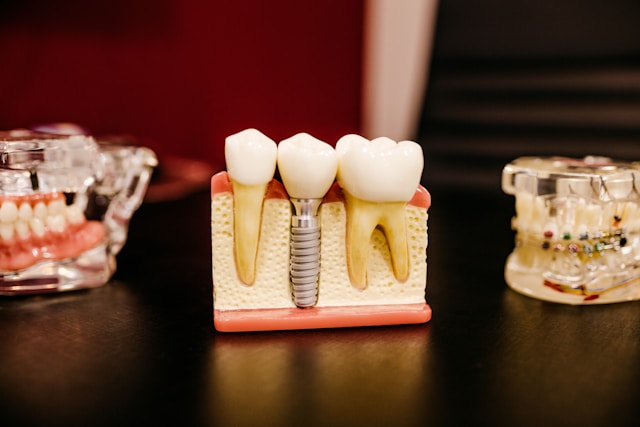
The field of dentistry has made remarkable progress in essential technologies, and dental implants have become a significant area of focus for their potential to address tooth loss comprehensively. Dental implants are not just placeholders; they have transformed restorative practices by providing sturdy foundations for prosthetic teeth that promote bone health and optimize facial structure. These innovative solutions have changed the traditional approach to dental care by offering patient-centered treatments that prioritize the interdependence of form and functionality in oral health.
What Are Dental Implants?
Dental implants Miami Beach, FL are designed to closely mimic the root structure of natural teeth. Made primarily from biocompatible materials like titanium, these prosthetic base supports integrate with the jawbone, offering a durable and long-lasting foundation for prosthetic crowns. This integration of dental implants not only supports artificial teeth but also helps maintain the structural integrity of the jaw by preventing bone deterioration commonly seen with tooth loss. Dental implants are widely appreciated in restorative dentistry for their design and durability, and they are celebrated for their ability to combine resilience with natural aesthetics seamlessly.
Benefits of Dental Implants
The vast array of benefits stemming from dental implants is commendable. Chewing efficiency is restored, facilitating improved digestion and nutrient absorption. Implants halt the bone resorption process, preserving facial contours and preventing the appearance of premature aging. The psychological impact must not go unnoticed; dental implants provide a profound emotional uplift that stems from restoring a natural smile and enhancing one’s confidence and sociability. Equally important is the semblance of normalcy and comfort that implants afford, negating the inconvenience and discomfort associated with traditional dentures or bridgework.
The Procedure Explained
The journey through the dental implant procedure is one of precision and personalized care. Initially, a comprehensive dental examination – often including X-rays and 3D images – lays the groundwork for a tailored treatment plan. After this preparative phase, the implant’s surgical insertion into the jawbone necessitates skill and detailed knowledge of oral anatomy. The interim period, ranging from several weeks to months, is dedicated to healing and osseointegration, during which the implant forms an indissoluble union with the bone. The final act of this procedural play involves affixing the prosthetic tooth, concluding a transformation that is as much about bolstering oral function as it is about aesthetic rejuvenation.
Who Can Get Dental Implants?
Eligibility for dental implants spans across a spectrum, accommodating adults with an array of oral predicates. The ideal candidate boasts commendable oral health, particularly in terms of gum integrity and a jawbone of sufficient volume to embrace the implant securely. While these criteria set the stage for candidacy, attention must also be directed toward existing health conditions that could impact the fusion of implant and bone or compromise post-operative healing. Rigorous preoperative assessments are, therefore, pivotal, ensuring patients receive care congruent with their health profile and oral ambitions.
Aftercare and Longevity
The parallels between the maintenance of dental implants and natural teeth can be seen through the prism of oral hygiene. Post-implant care comprises routine tooth brushing, flossing, and regular dental check-ups, thereby sustaining the health of the implant and circumjacent tissues. The triumvirate of conscientious care, avoidance of detrimental habits such as smoking, and adherence to professional dental advice construct a reality where implants efficaciously serve their owners throughout their lifetime. This heralds a new epoch in dental restoration, which endorses the confluence of proactive maintenance and cutting-edge technology to manifest an enduring dental solution.
Potential Risks and Complications
Even with the formidable success rates, dental implantation is not devoid of potential risks. The procedural spectrum might usher in infection at the implant site, accidental damage to the neighboring anatomical structures, sensitivity issues, and, in rare instances, sinus complications when upper jaw implants impinge on the sinus cavities. Prudent selection of a qualified dental professional and a conscientious post-operative regime is paramount to curtail these risks, ensuring a smooth transition to improved oral health.
Advancements in Implant Technology
Aspirations for perfection in dental implantology fuel continuous research and innovation. Spearheaded by substantial advancements, such as precision-driven 3D imaging and materials engineered for optimal compatibility, the journey of dental implants toward higher realms of efficacy is unequivocal. Groundbreaking methodologies, including minimally invasive surgery and regenerative bone techniques, are a few testimonies to the technological renaissance reshaping the field. These advancements refine the dental implant experience for patients and extend the tessellation of science and dental artistry.