Table of Contents
- Understanding Legal Representation
- Common Scenarios Requiring Legal Assistance
- The Impact of Legal Representation on Outcomes
- Challenges in Accessing Legal Services
- The Role of Legal Technology
- Importance of Legal Education and Awareness
- Conclusion
Understanding Legal Representation
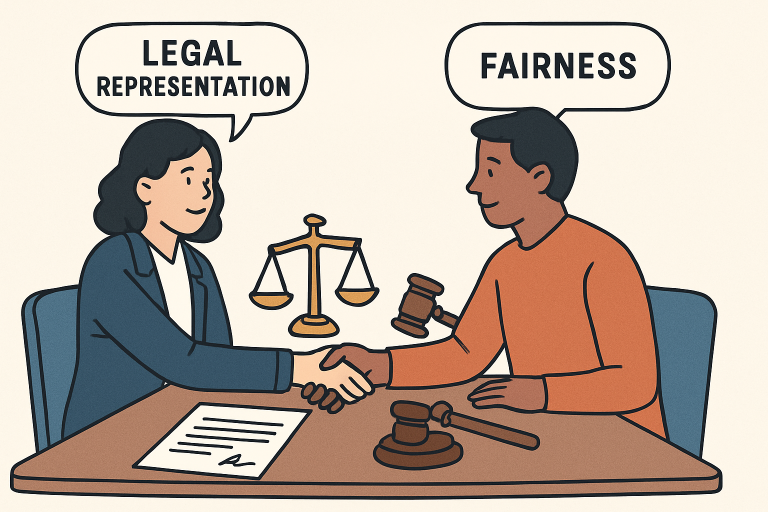
Every day, individuals and businesses encounter situations that can be overwhelming due to the complexities of the legal system. Whether facing a dispute or trying to safeguard one’s rights, enlisting the help of a qualified lawyer can make a substantial difference. Legal representation acts as a safeguard, ensuring that everyone has a fair chance and that legal processes are followed correctly.
The role of a legal representative goes beyond courtroom appearances. Lawyers interpret regulations, draft essential documents, and offer strategic advice for both routine and extraordinary matters. Their expertise is vital for those seeking justice, as the legal landscape often poses obstacles for those without formal training. By relying on skilled legal professionals, individuals can avoid costly mistakes and navigate challenges with confidence.
Beyond resolving individual disputes, legal representation supports societal stability by upholding the principles of justice and equality. It levels the playing field, particularly for those who lack knowledge or resources that might otherwise disadvantage them.
At its core, securing sound legal advice is about protecting one’s best interests, whether for personal peace of mind or for defending oneself in complex issues. Reliable representation offers clarity, reassurance, and a path forward through uncertain situations.
Consulting an experienced attorney when faced with legal matters can significantly relieve stress and help ensure favorable outcomes, especially in scenarios involving sensitive rights or assets.
Common Scenarios Requiring Legal Assistance
- Family Law Issues: Disputes such as divorce, child custody, and adoption can be life-altering. Legal guidance helps ensure proceedings are conducted fairly, and all parties’ rights are respected.
- Employment Disputes: Workplace conflicts—such as wrongful termination or discrimination claims—require careful navigation of employment laws and regulations. An attorney’s involvement is often crucial for a just resolution.
- Property Transactions: Buying or selling real estate involves contracts, title issues, and negotiation. Legal oversight protects clients from inadvertent errors that could have lasting effects.
- Criminal Charges: When facing criminal allegations, expert legal counsel is crucial for defending against potentially severe consequences, ensuring due process, and advocating for fair treatment.
Access to legal representation in these scenarios can mean the difference between a favorable result and severe, lasting adverse outcomes.
The Impact of Legal Representation on Outcomes
The presence of legal counsel often has a profound effect on case outcomes. Research repeatedly shows that individuals with legal representation in court are more likely to achieve favorable resolutions. For example, according to the American Bar Association, tenants represented by lawyers during eviction proceedings are significantly less likely to be displaced than those without representation. This pattern is observed across family, civil, and criminal cases, illustrating how attorneys protect procedural rights and advocate for equitable treatment.
Moreover, legal professionals possess the negotiation skills and knowledge needed to navigate settlements, reduce penalties, and even avoid litigation altogether. Their expertise is especially beneficial when confronting parties with more resources or facing complex regulatory requirements.
Challenges in Accessing Legal Services
Despite the clear benefits, many people struggle to obtain qualified legal assistance. Cost is a significant barrier; legal fees can quickly accumulate, discouraging many from seeking assistance even in serious matters. This has led to a sharp rise in self-represented litigants, particularly in family and civil courts.
Geographic disparities and a shortage of legal aid services also contribute to this access-to-justice gap. Rural areas, in particular, often lack sufficient legal professionals, making it harder for residents to seek timely help.
The Role of Legal Technology
The evolution of legal technology is beginning to address some of these challenges. Online legal platforms, document automation, and virtual consultation tools allow more people to seek guidance affordably and efficiently. Free legal information and resources empower individuals to educate themselves about their rights and responsibilities, helping them make informed decisions even if full representation isn’t possible.
Legal tech is not a panacea but serves as a bridge for those shut out of traditional services. Many legal aid organizations now use technology to broaden their reach and serve underrepresented communities more effectively.
Importance of Legal Education and Awareness
Comprehensive legal education is vital in cultivating a society where individuals recognize when to seek help and understand how to locate it. Public seminars, school curricula, and community outreach programs contribute to greater legal literacy, reducing vulnerability to exploitation and mistakes.
Encouraging awareness about rights and due process also supports civic participation and conserves judicial resources by reducing frivolous lawsuits and misunderstandings. Building stronger public knowledge about legal issues is an essential step toward a fairer society.
Conclusion
Legal representation is a cornerstone of justice and equity in society. While cost and access continue to present obstacles, advancements in both technology and public legal education are providing new pathways for people to obtain the support they need. Prioritizing access to skilled legal professionals can transform lives, ensure fairness, and strengthen the legal system for everyone.