Table of Contents
- Digital Signage Integration
- Sustainable Materials
- Minimalist Designs
- Interactive Elements
- LED Neon Displays
- Dimensional Lettering
- Customization and Personalization
- Combination of Wood and Metal
- Conclusion
In today’s rapidly evolving business landscape, signage remains a powerful tool for capturing attention and strengthening brand identity. As we enter 2026, both established companies and startups are seeking innovative ways to leverage signage as part of their marketing strategy. Staying ahead of the curve is essential, whether you’re looking to upgrade a freestanding sign Portland, OR or transform indoor environments. Signage trends now emphasize not just visibility but also interactivity, sustainability, and seamless brand integration.
Modern signage is more than a wayfinding or branding tool it’s an essential bridge between physical locations and digital experiences. This connection is growing more pivotal as businesses look to attract new customers, engage existing ones, and reinforce their brand’s story with every sign. Adopting recent trends allows businesses to connect with their community through authentic, sustainable, and memorable visual messaging.
From the rise of digital integrations to the embrace of environmentally responsible materials, signage is reflecting broader changes in society and technology. Minimalist aesthetics and personalized touches are resonating with customers seeking clarity amid information overload. And as innovation accelerates, clients and designers have more ways than ever to make statements that are both striking and meaningful.
These shifts also reflect a growing consumer preference for thoughtful design, sustainability, and technologically enhanced experiences, elements that help strengthen trust and loyalty. Businesses that proactively incorporate these trends will not only improve visual appeal but also connect with a diverse customer base across multiple touchpoints.
Digital Signage Integration
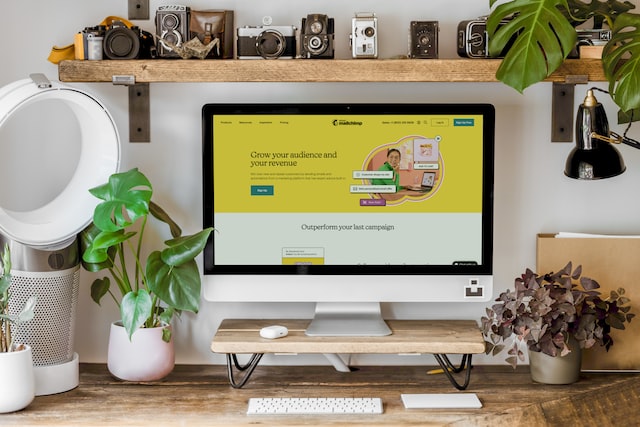
The deployment of digital signage has reshaped the business landscape, making it easier than ever to update information, run interactive promotions, and adjust messaging in real-time. With options ranging from customizable menu boards to immersive video walls, digital signage helps businesses respond to trends and customer needs instantly. According to the Forbes Business Council, digital signs offer greater flexibility and higher engagement rates than traditional signs, which is why they’re quickly becoming the norm in retail, hospitality, and corporate environments.
Sustainable Materials
Eco-consciousness is transforming how companies approach signage. More businesses are now opting for sustainable materials, including recycled metals, biodegradable plastics, and certified wood sources. This trend not only demonstrates corporate responsibility but also appeals to customers who value environmental stewardship. Using green materials doesn’t compromise quality; modern technology makes these signs as durable and attractive as traditional options. As detailed by Architectural Digest, eco-friendly signage is shaping the future of business branding and aesthetics.
Minimalist Designs
The pursuit of simplicity continues to influence business signage, maximizing legibility and immediate comprehension. With many consumers seeking clarity amid digital noise, such designs make crucial information pop and support a sophisticated, modern brand image. In settings ranging from storefronts to reception areas, minimalist signage creates a cohesive and welcoming environment while enhancing wayfinding and customer flow.
Interactive Elements
Static signs are transforming into interactive experiences that foster deeper engagement. Features like touchscreens, QR codes, and augmented reality overlays are now staples in both public-facing signage and internal displays. Interactive elements encourage customers to engage directly with a business, such as scanning a QR code for exclusive content or using AR to visualize products in 3D. These features create memorable, share-worthy moments, particularly in retail, entertainment, and hospitality environments where the customer journey is paramount.
LED Neon Displays
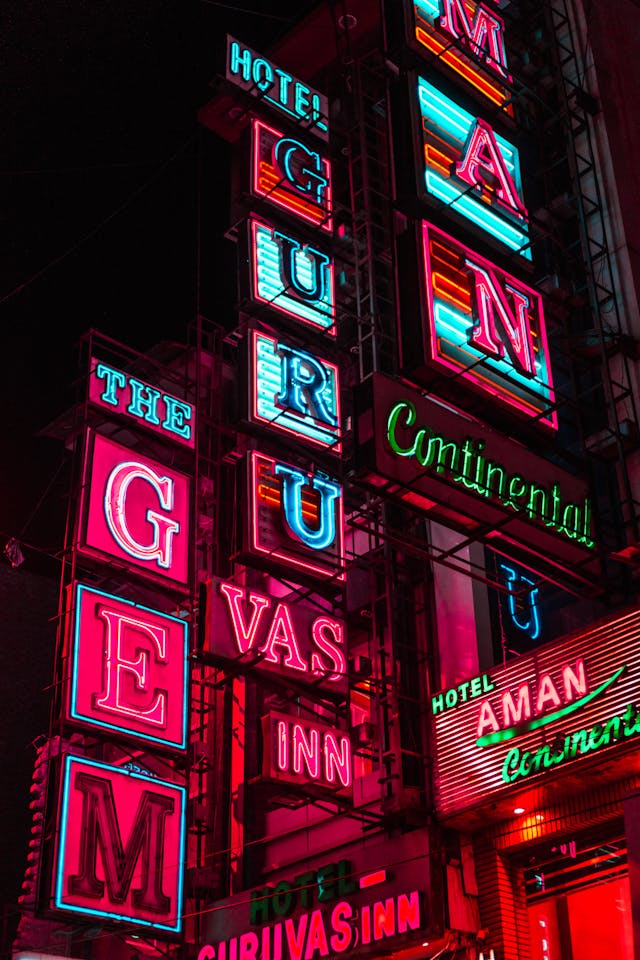
LED neon technology is bringing back the vibrancy of classic neon while ensuring sustainability and energy efficiency. Unlike traditional neon, LED variants offer a lower carbon footprint, are easier to maintain, and produce brighter displays. Their flexibility allows for creative shapes and animations, making them ideal for brands looking to make bold statements after dark or stand out in social media posts. LED neon displays are especially popular in restaurants, bars, and retail sectors where nighttime visibility is crucial.
Dimensional Lettering
Three-dimensional lettering and layered textures add tactile intrigue and draw the eye, making brand names and logos practically leap off the wall. Raised and backlit letters provide depth and shadow, making a memorable impact on passersby both indoors and outdoors. This attention-grabbing technique not only boosts visibility but also elevates the business’s perceived quality, creating a lasting impression through design and craftsmanship.
Customization and Personalization
No two businesses are the same, and modern signage reflects this by embracing customization at every level. Personalized signs allow businesses to experiment with fonts, materials, colors, and thematic graphics that echo their unique identity and story. This trend helps businesses forge an emotional connection with their audience, reinforce their values, and cultivate loyalty by showing attention to detail and creativity in every customer interaction.
Combination of Wood and Metal
Blending the warmth of wood with the contemporary durability of metal, this design trend delivers both sophistication and resilience. Retailers and boutique hotels are especially drawn to this look because it projects both authenticity and modern elegance. The tactile, mixed-material approach demonstrates quality and intentionality, offering customers a sense of comfort, trust, and style. Combining wood and metal also aligns with a growing emphasis on sustainable, long-lasting materials that age gracefully.
In summary, the signage trends of 2025 reflect a powerful fusion of digital innovation, environmental responsibility, and creative design. Businesses adopting these strategies can expect deeper customer engagement, enhanced brand loyalty, and a competitive edge in both physical and digital marketplaces.
Conclusion
As businesses move forward in 2026, signage is no longer just a finishing touch; it’s a strategic asset that shapes how brands are seen, experienced, and remembered. By embracing trends like digital integration, sustainable materials, interactivity, and thoughtful design, companies can create signage that does more than inform; it connects, engages, and inspires. Whether enhancing street presence or elevating interior spaces, forward-thinking signage helps businesses tell their story with clarity and impact. Investing in these modern approaches ensures your brand remains relevant, visually compelling, and aligned with today’s evolving customer expectations.